Domestic and international moves
Domestic transportation may be relatively direct, but collection access, route restrictions and handover timing still need attention. International movements add customs, documentation, port processes and local requirements. A transport plan should identify which party handles each stage rather than leaving responsibility implied.
Open or enclosed?
Open transport
Often more widely available and practical for many vehicles. The car is exposed to weather, road dust and loading environments. It can be a reasonable choice where exposure is acceptable and the vehicle is prepared accordingly.
Consider: weather, protective measures, route and loading position.
Enclosed transport
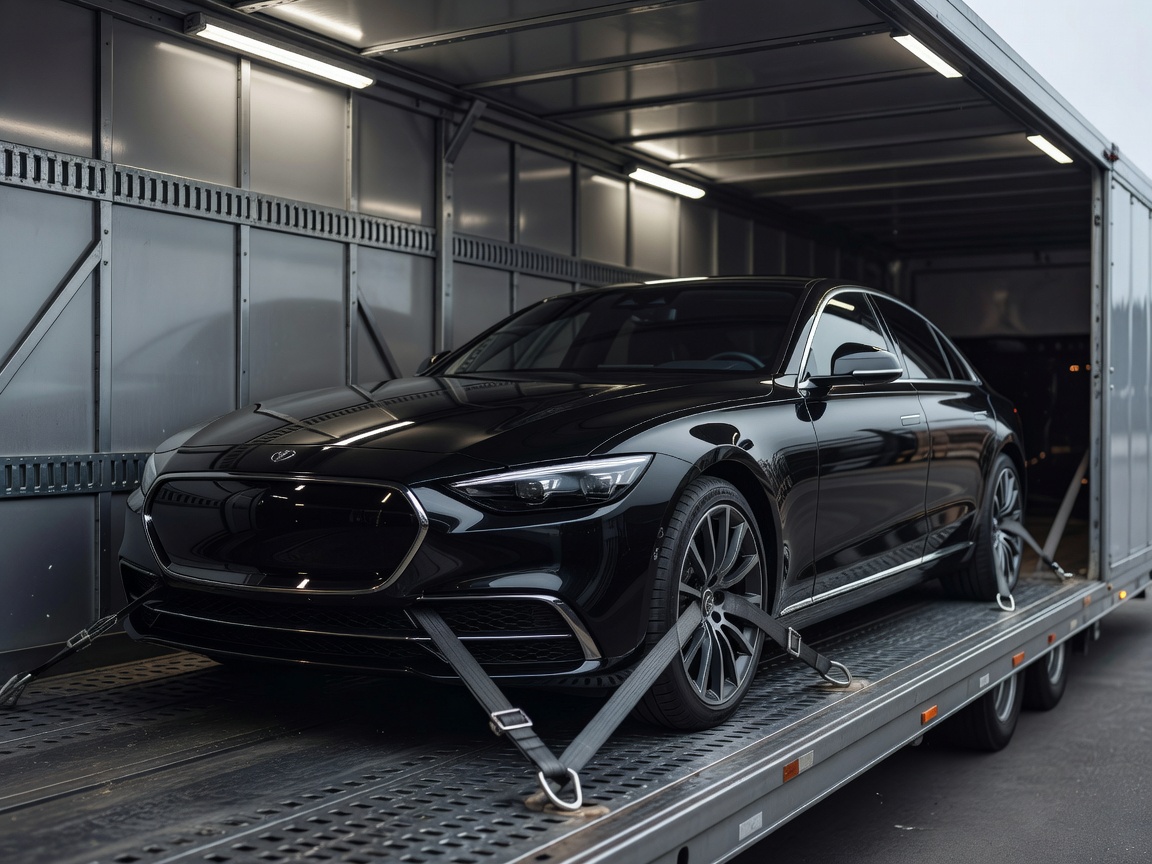
Provides greater shelter from weather and road contamination. It may involve more limited availability or access requirements. Confirm internal dimensions, ramp angles and loading equipment before booking.
Consider: height, width, ground clearance and door access.
Before collection
Confirm the exact collection address, access hours, contact person and whether the vehicle starts and rolls under its own power. Share accurate dimensions, including any modifications, and mention low clearance, non-standard tyres, alarms or special access requirements. Remove personal belongings and loose items. The fuel level and battery arrangement should follow the transporter's instructions.
Condition documentation is essential. Photograph each side, wheels, glass, interior and any existing marks in good light. Record mileage and note keys, documents and accessories handed over. Both parties should understand what the report covers before the vehicle leaves.
Delivery and insurance questions
Ask how the vehicle is insured during each stage, whether there are exclusions and what evidence is needed if damage is found. Insurance terms are not the same as a promise of damage-free delivery. At arrival, inspect the vehicle before signing where possible. Compare it with the collection record, photograph anything different and note concerns on the delivery paperwork.
Good communication is unglamorous but valuable. Confirm booking details, collection windows, status updates, delays, border requirements and the person authorised to receive the vehicle. Premium vehicles may need extra time for careful loading, low-clearance handling or enclosed access. That time should be planned, not improvised.